Early Childhood Programs: Creating a Strong Groundwork for Lifelong Accomplishment
Early childhood education plays a fundamental function in defining a child's future. It constitutes the groundwork for core intellectual, social, and emotional skills. Research indicates that excellent early schooling can lead to superior academic results and individual maturation. However, the intricacies of effective programs and the role of neighborhood engagement surface vital issues. Which factors actually determine a child's early education experience? The answers may astound the majority.
The Essential Value of Young Child Education in Progress
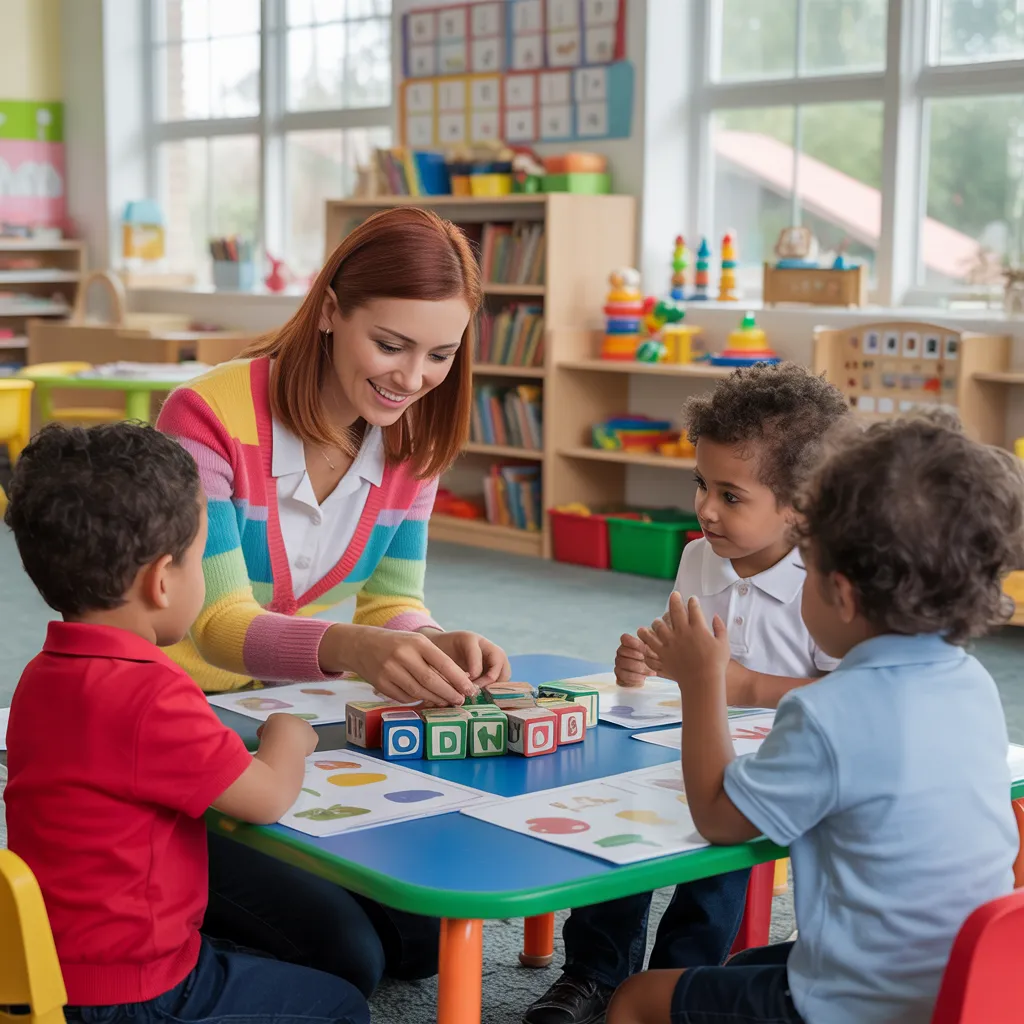
Early childhood schooling serves as an essential role in a child's overall development, as it creates the base for lifelong learning and social skills. During these crucial stages, children are exposed to structured environments that support exploration and curiosity. This introduction boosts intellectual development, allowing children to develop ideas and address challenges. In addition, early learning exposes children to diverse experiences, fostering creativity and critical thinking.
Early childhood education offers opportunities for engagement with peers and adults, which is vital for building effective communication skills and emotional awareness. Children discover to manage connections, comprehend social norms, and foster compassion. Moreover, engaging in group activities instills cooperation and conflict resolution, essential tools for future interactions. The significance of early childhood education is paramount, as it not only readies students for academic success but also equips them with the necessary skills to thrive in different social environments throughout their lives.
Fundamental Abilities Created in Early Preschool Programs
Throughout initial education spaces, children acquire key skills that shape their future interactions and psychological health. Interpersonal interaction encourages collaboration and sharing ideas, while analytical thinking maturation inspires solving problems abilities. Additionally, regulation of emotions tools support children in processing their feelings effectively, creating the groundwork for toughness.
Social Interaction Abilities
Social interaction skills thrive in early learning environments, where children engage with peers and educators in various activities. These interactions are crucial for developing important communication skills, such as sharing, listening, and taking turns. Through collaborative play and group projects, children learn to express their thoughts and emotions clearly while also gaining empathy and understanding of diverse perspectives. Teachers facilitate these interactions by modeling suitable social behaviors and providing structured opportunities for teamwork. As children navigate friendships and resolve conflicts, they build resilience and adaptability, preparing them for future social settings. Ultimately, strong social interaction skills promote a sense of belonging and community, serving as a foundational element for lifelong interpersonal relationships.
Critical Thinking Advancement
Developing critical thinking skills in early learning settings lays the groundwork for kids' mental growth. Engaging activities, such as solution-finding exercises and exploratory questions, motivate young learners to analyze data and evaluate various perspectives. Through discovery and hands-on learning, children discover to pose questions, form predictions, and test their concepts, fostering a find out more feeling of curiosity. Additionally, collaborative assignments promote dialogue and critical analysis, allowing children to express their ideas and question their assumptions. Teachers play a crucial part by creating an atmosphere that prioritizes inquiry and encourages self-directed education. By incorporating critical thinking into everyday tasks, early education programs enable children to develop into skilled decision-makers, establishing the foundation for educational achievement and lifelong education.
Modulating Emotional States
Many preschool and early learning centers incorporate emotional regulation techniques to help children navigate their feelings and interactions. These techniques often include mindfulness practices, such as deep breathing exercises, which teach children to pause and reflect before reacting. Additionally, educators encourage the use of "feelings charts," enabling children to express and identify their emotions in a positive manner. Role-playing scenarios are also implemented, allowing children to practice appropriate responses to various emotional situations. By fostering these skills, early learning environments promote resilience and empathy, essential for social development. Ultimately, the integration of emotional regulation techniques equips children with the tools to manage their emotions effectively, laying a foundation for healthier relationships and improved mental well-being throughout life.
The Role of Excellent Early Education on Lifelong Prosperity
Quality preschool experiences build a firm groundwork for future achievement, shaping children's intellectual, social, and emotional maturation. Studies show that children who participate in quality early education programs display stronger academic outcomes and greater school readiness. These initiatives foster analytical thinking, boost language acquisition, and support problem-solving abilities, all crucial for continuous learning.
In addition, premier early learning experiences nurtures social development, cultivating teamwork and effective dialogue among peers. Children learn to successfully manage relationships, which aids psychological resilience and effective conflict resolution. The benefits move past individual achievement; communities with vigorous early education initiatives benefit from minimal crime rates and stronger economic output.
Backing excellent foundational learning not only provides children with critical skills but also generates a ripple effect that promotes societal well-being. Accordingly, stressing early childhood education remains crucial, making sure that future generations are ready to thrive in an increasingly complex world.
How Play Improves Early Childhood Education
Play is a fundamental component of early childhood learning, functioning as a medium for various types of exercises that encourage learning. Through engaging in play, children undergo cognitive development and improve their interpersonal abilities, fostering vital skills for future relationships. Recognizing the role of play in early schooling can clarify its significance in molding well-rounded individuals.
Styles Of Play Options
Taking part in different kinds of recreational games significantly enhances preschool learning. These activities can be categorized into several types, each offering unique benefits.
Creative engagement provides youth the ability to copyrightine their imaginative capabilities and strengthen analytical thinking by portraying multiple situations. Constructive activities that consist of building and assembling, refines manual dexterity and sense of space. Gross motor development is advanced through physical activities while also encouraging social engagement, nurturing teamwork and communication.
Games with rules introduce children to principles of equity and cooperation, enabling them learn to navigate social interactions. Finally, sensory play engages children through tactile experiences, stimulating their sensory perception and enhancing cognitive connections. Each type of play activity is instrumental in creating a engaging educational setting, setting the stage for holistic development in early childhood education.
Cognitive Enhancement Accomplished Through Play
Through different kinds of play activities, children naturally enhance their cognitive development. Participating in imaginative play, for copyrightple, allows children to investigate problem-solving skills and creative thinking. As they work through various situations, they develop the ability to think critically and make decisions. Building blocks and puzzles encourage logical reasoning and spatial awareness, developing mathematical skills. Additionally, dramatic play encourages language development as children express ideas and negotiate roles. Tactile exploration, involving materials like sand or water, stimulates exploration and inquiry, enhancing their understanding of the world. Each of these play forms contributes uniquely to mental development, laying a foundation for educational achievement. Consequently, recreational activity serves not only as a source of joy but also as an essential vehicle for mental advancement in early childhood education.
Social Skills Advancement
Children naturally foster social skills during collaborative play times. Through participation in group games and imaginative play, they learn key skills like sharing, taking turns, and effective communication. These interactions promote empathy, as children navigate differing viewpoints and resolve conflicts. Additionally, play supplies a safe environment for practicing problem-solving, enhancing their capacity to cooperate with peers. As they involve themselves in shared tasks, children form trust and cultivate friendships, which are essential for emotional and social well-being. This foundation not only backs immediate social interactions but also lays the groundwork for future relationships in school and beyond. Overall, play functions as an important mechanism for advancing social skills, establishing a durable foundation for lifelong social competence.
What Factors Should You Consider When Selecting an Childhood Learning Program?
Determining the correct early education program can be a difficult task for parents. Multiple considerations must be reviewed to confirm a proper match for a student's needs. First, parents should assess the educational approach, searching for programs that prioritize hands-on learning and developmental progress. copyrightining classroom environment can offer clarity into the manner in which educators connect with children and create a nurturing setting.
Additionally, the credentials and background of staff are vital. Programs led by qualified instructors often have a more structured approach to learning. Parents should also evaluate the program's safety standards and facilities, verifying they meet safety and health requirements.
Ultimately, scheduling and financial considerations such as location, times of availability, and cost need to fit with a family's way of living and financial means. By carefully weighing these elements, mothers and fathers can make informed decisions that build a robust framework for their child's educational journey.
Community and Parent Engagement in Young Childhood Instruction
Engagement from both guardians and the community is important in boosting early childhood education. Collaborative actions create a supportive environment that supports children's development and learning. Community organizations, such as libraries and health services, can provide resources and programs that improve educational experiences. These partnerships often lead to increased access to educational materials and extracurricular activities, supporting young learners.
In addition, parent engagement is essential; when parents become actively involved in their child's education, children reveal improved academic performance and relationship skills. This commitment can take many forms, such as joining school gatherings, volunteering, or discussing with instructors.

Regularly Inquired Questions and Answers
What Requirements Must Early Childhood Educators Have?
Early childhood educators must acquire proper qualifications in education or child development, certifications in first aid and CPR, and preparation in early childhood teaching practices. Knowledge of different student needs and strong interpersonal skills are important as well.
How Can I Facilitate Learning at Home?
To facilitate at-home learning, caregivers can establish a consistent schedule, participate in interactive reading sessions, encourage play-based activities, offer educational materials, and foster a positive learning environment that promotes exploration and curiosity in kids.
Identifying Indicators of Developmental Delays
Signs of developmental issues may encompass communication challenges, limited social interactions, challenges with motor skills, and problem-solving struggles. Parents should observe these actions and consult professionals for assessment and guidance if concerns arise.
How Do I Determine if My Child Is Prepared for School?
A child may be ready for school if they can express requirements, obey basic directions, socialize with peers, demonstrate basic self-care skills, and show curiosity about learning. These indicators suggest preparedness for a school environment.
What Function Do Toys Have in Early Education?
Toys serve as an essential role in early education by enhancing cognitive, social, and motor skills development. Through creative play and critical thinking, children learn important concepts, cultivating creative thinking and preparing them for future learning experiences.